The Complete Guide to Roof Safety Training and Fall Protection for Roofers
Roofing is one of the most hazardous occupations in the construction industry. From working at elevated heights and navigating steep roof pitches to handling heavy materials and operating equipment, roofing professionals face hazards that require proper preparation, training, and protective equipment.
Effective roof safety training is one of the most important investments a roofing contractor can make. A properly trained crew is better equipped to recognize hazards, understand fall protection requirements, inspect equipment, and make informed decisions when working at heights.
Whether you operate a residential roofing business, manage commercial roofing projects, or oversee construction site safety, understanding roofing safety procedures is essential to protecting your workforce.
In this guide, we will cover the fundamentals of roof safety training, OSHA fall protection requirements, essential roofing safety equipment, ladder safety, and best practices for creating a safer roofing work environment.
1. Why Is Roof Safety Training Important?
Falls remain one of the most serious hazards in the construction industry. Roofing professionals routinely work near unprotected edges, skylights, roof openings, and uneven or slippery surfaces.
Without proper training and protective measures, even a routine roofing task can become dangerous.
Roof safety training helps workers understand how to identify hazards before beginning a project and how to use appropriate fall protection systems throughout the job.
A comprehensive roofing safety program can help contractors:
Reduce the risk of workplace falls and injuries.
Improve awareness of potential jobsite hazards.
Ensure workers understand proper fall protection procedures.
Promote the correct use and inspection of safety equipment.
Improve compliance with applicable OSHA requirements.
Establish consistent safety expectations across roofing crews.
Safety training should not be treated as a one-time requirement. It should be an ongoing process that evolves with new equipment, jobsite conditions, and industry practices.
2. Understanding OSHA Roofing Safety Requirements
The Occupational Safety and Health Administration (OSHA) establishes workplace safety requirements for construction activities, including roofing operations.
One of the most important regulations for roofing contractors is OSHA 29 CFR 1926 Subpart M, which addresses fall protection in construction.
Understanding these requirements is an essential part of developing an effective roof safety training program.
OSHA Fall Protection Requirements
Under OSHA 29 CFR 1926.501(b)(10), employees performing roofing work on low-slope roofs generally must be protected from falls of 6 feet or more using applicable permitted systems.
Depending on the circumstances, permitted options include:
Guardrail systems.
Safety net systems.
Personal fall arrest systems.
A combination of warning line systems and other permitted protection.
Other specifically permitted methods under the applicable regulation.
For steep roofs, OSHA 29 CFR 1926.501(b)(11) generally requires guardrail systems with toeboards, safety net systems, or personal fall arrest systems when employees are exposed to falls of 6 feet or more.
Requirements can vary depending on roof type, work activity, and other site-specific conditions. Contractors should review the applicable OSHA standards rather than assume one protection method works for every roofing project.
OSHA Fall Protection Training Requirements
OSHA 29 CFR 1926.503 requires employers to provide fall hazard training to employees who may be exposed to fall hazards.
Training must be conducted by a competent person and cover topics relevant to the hazards and protective systems involved.
Important training subjects include:
Recognizing fall hazards in the work area.
Understanding how fall protection systems operate.
Properly installing, maintaining, and inspecting applicable systems.
Understanding the limitations of different fall protection methods.
Following established fall protection procedures.
Proper handling and storage of safety equipment.
Employers must also maintain written certification records documenting employee training.
Retraining is required when changes in the workplace, equipment, or employee knowledge indicate that previous training is no longer adequate.
Important OSHA resources:
OSHA Fall Protection Standards: https://www.osha.gov/laws-regs/regulations/standardnumber/1926/1926SubpartM
OSHA Training Requirements: https://www.osha.gov/laws-regs/regulations/standardnumber/1926/1926.503
3. Identifying Common Roofing Hazards
One of the first steps in effective roof safety training is teaching employees how to recognize hazards before work begins.
Every roofing project presents different risks depending on the structure, weather, materials, equipment, and work being performed.
Falls From Roof Edges
Unprotected roof edges are among the most significant hazards roofing workers encounter.
Workers installing shingles, performing repairs, or handling materials near roof perimeters can be exposed to serious fall hazards.
Training should emphasize:
Identifying unprotected roof edges.
Understanding applicable fall protection requirements.
Maintaining appropriate distance from hazardous areas.
Properly installing and using designated fall protection systems.
Slippery and Unstable Roof Surfaces
Rain, snow, ice, loose materials, and debris can create hazardous working conditions.
Metal roofing presents additional considerations. Standing seam panels, in particular, can have slippery surfaces, and their slope and surface conditions can create challenges for workers moving across the roof.
Workers should understand how weather and roof conditions affect footing and when conditions require work to stop.
Skylights and Roof Openings
Skylights and roof openings can create serious fall hazards.
Workers may mistakenly assume that skylights can support their weight. Training should emphasize that skylights must be appropriately protected, guarded, or covered according to applicable OSHA requirements.
Electrical Hazards
Overhead power lines and electrical equipment can create dangerous conditions for roofing crews.
Workers should be trained to recognize electrical hazards, maintain required clearances, and follow appropriate procedures when working around electrical installations.
Falling Objects and Materials
Tools, roofing materials, and equipment can fall from elevated work areas.
Training should address proper material storage, housekeeping, tool management, and overhead protection where required.
4. Essential Roofing Safety Equipment
Having the appropriate roofing safety equipment is essential, but simply purchasing equipment does not guarantee a safe jobsite.
Employees must understand how each piece of equipment functions, its limitations, and how it should be inspected and used.
Below are several important categories of equipment roofing contractors should understand.
Personal Fall Arrest Systems
Personal fall arrest systems are designed to stop a worker who experiences a fall.
Common components include:
Full-body harnesses.
Connecting devices.
Energy-absorbing lanyards.
Self-retracting lifelines.
Appropriate anchorage points.
Workers should receive hands-on instruction covering proper harness fit, connection procedures, equipment compatibility, inspection, and fall clearance.
Roof Brackets and Anchoring Systems
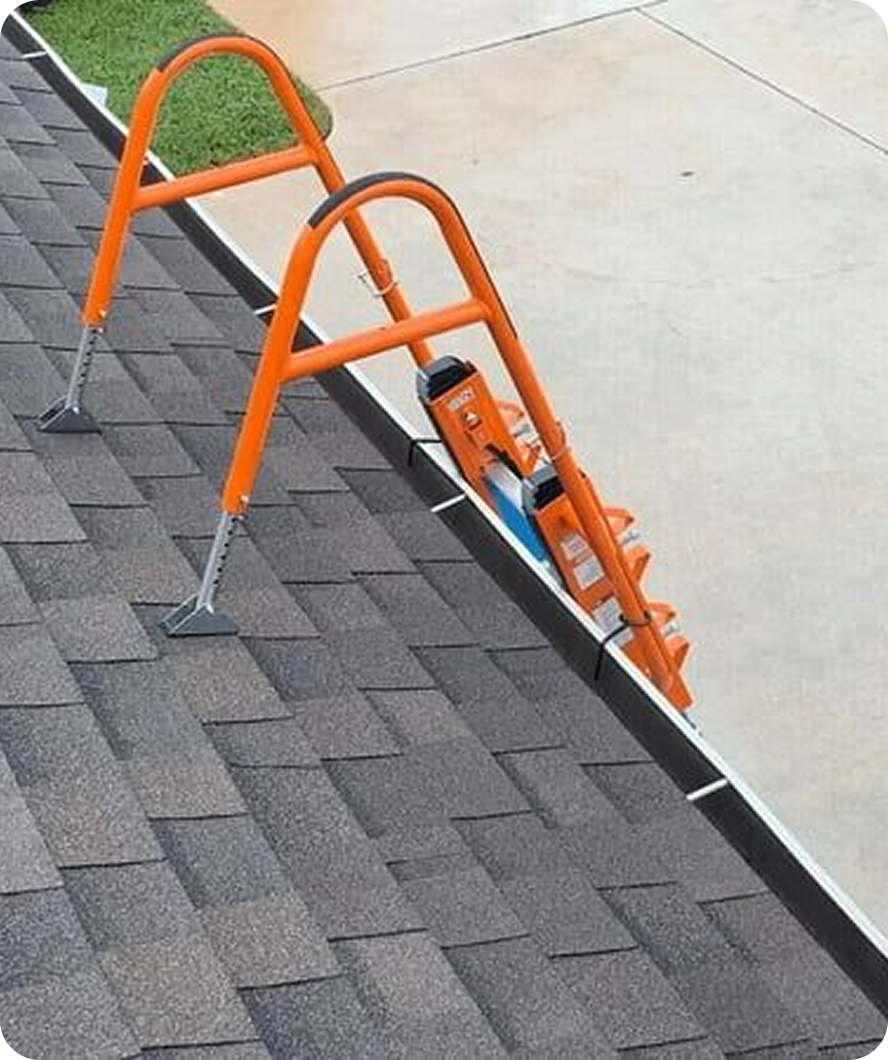
Roof brackets and anchoring systems provide important support for designated roofing activities.
Depending on their design and intended use, these systems can support fall protection, positioning, or other jobsite applications.
Roof brackets must be installed according to manufacturer instructions and used within their specified limitations.
Guardrail Systems
Guardrail systems provide collective fall protection by creating physical barriers around exposed edges.
They can be particularly useful on projects where multiple employees are working near the same perimeter.
Training should cover proper installation, inspection, and the importance of maintaining the integrity of the entire system.
Ladder Stabilizers and Ladder Safety Equipment
Ladders are an essential part of nearly every roofing operation. However, improper ladder placement, inadequate securement, and unstable ground conditions can create serious hazards.
Ladder safety training should address:
Proper ladder selection.
Appropriate ladder positioning.
Maintaining three points of contact while climbing.
Inspecting ladders before use.
Securing ladders when required.
Understanding ladder load capacities.
Safe access to upper landing surfaces.
OSHA 29 CFR 1926.1053 addresses construction ladder requirements, including the requirement that portable ladders used to access upper landing surfaces generally extend at least 3 feet above the landing surface or be secured and provided with an appropriate grasping device when that extension is not possible.
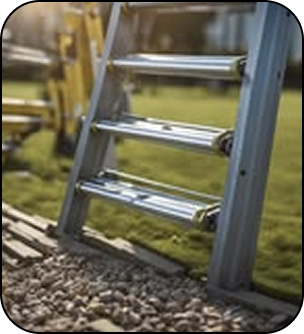
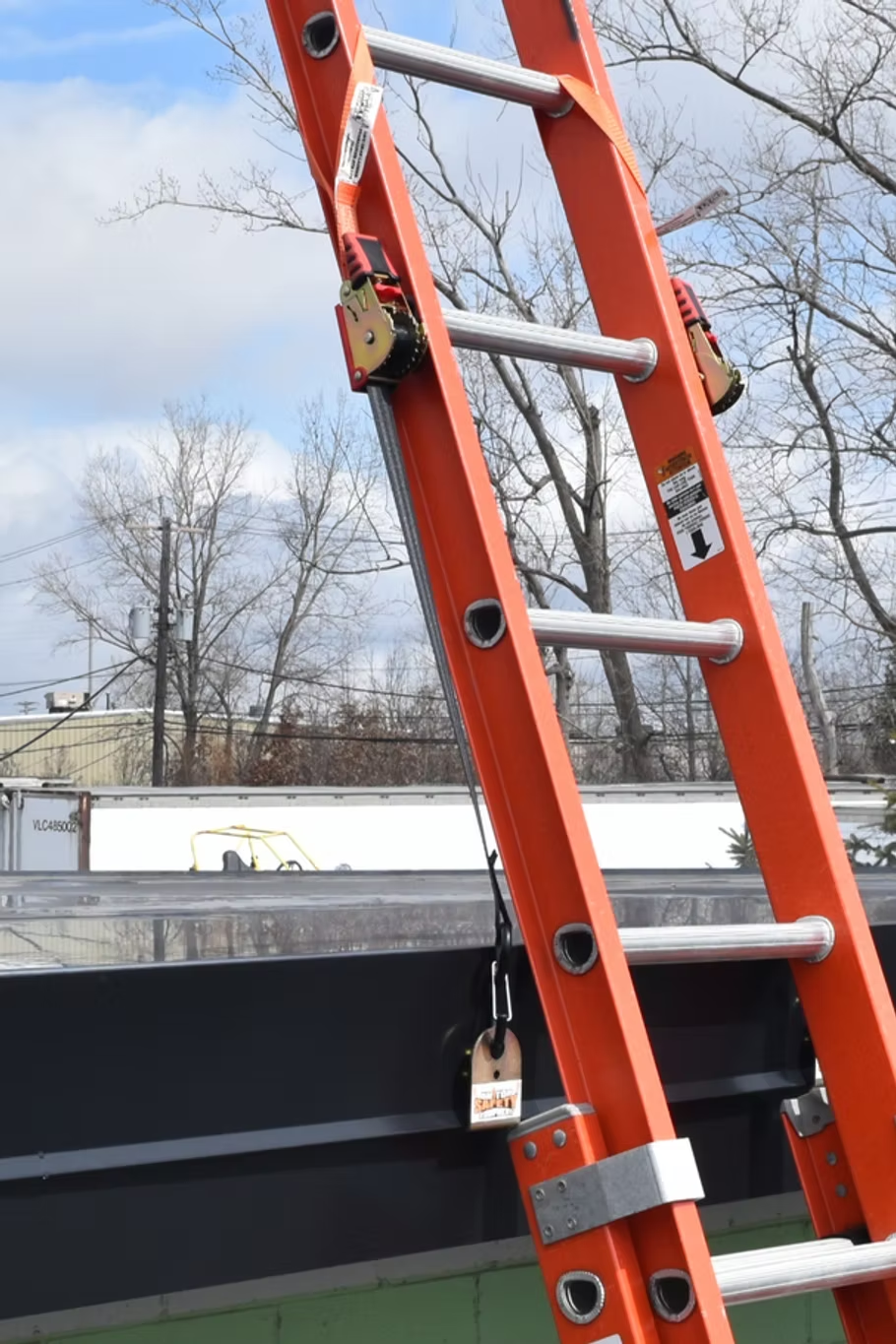
Ladder stabilization equipment can provide additional support by helping address movement and instability during use.
For example, On Top Safety's Life Grab Upper Ladder Stabilizer and Life Grab Lower Ladder Stabilizer are designed to address ladder movement and improve ladder stability.
These products are examples of equipment that can complement a comprehensive ladder safety program. They do not replace proper ladder setup, inspection, or required fall protection.
5. How to Conduct a Proper Roofing Safety Equipment Inspection
Equipment inspections should be an essential part of every roofing safety program.
Damaged, improperly installed, or incorrectly maintained equipment can compromise worker safety.
Before beginning a roofing project, employees should understand how to inspect their equipment and identify potential problems.
Fall Protection Equipment Inspection
Workers should be trained to examine:
Harness webbing for cuts, fraying, burns, or chemical damage.
Buckles and connectors for deformation or corrosion.
Lanyards for damage and excessive wear.
Lifelines for deterioration or compromised components.
Anchorage systems for proper installation and compatibility.
Equipment that has been involved in a fall or is identified as defective should be removed from service and handled according to manufacturer instructions and applicable requirements.
Ladder Inspection
Before using a ladder, employees should inspect:
Side rails for cracks or structural damage.
Rungs and steps for damage or contamination.
Feet and other components for excessive wear.
Locks and extension mechanisms.
Labels and manufacturer load ratings.
Any attachments or stabilization equipment.
Damaged ladders should be removed from service until properly repaired or replaced.
Roof Bracket and Stabilization Equipment Inspection
Roofing contractors should also establish inspection procedures for roof brackets, ladder stabilizers, and other supporting equipment.
Employees should verify that equipment is appropriate for the intended application, properly assembled, and free of visible damage.
Always follow the manufacturer's instructions for installation, inspection, and maintenance.
6. Developing an Effective Roofing Safety Training Program
A successful roof safety training program should be structured, consistent, and relevant to the work employees perform.
Rather than relying exclusively on classroom instruction, contractors should incorporate practical demonstrations and hands-on equipment training.
Here are five important steps to consider.
Step 1: Conduct a Jobsite Hazard Assessment
Before work begins, evaluate the project and identify potential hazards.
Consider:
Roof height and pitch.
Roof materials and surface conditions.
Unprotected edges.
Skylights and roof openings.
Weather conditions.
Ladder access points.
Electrical hazards.
Equipment and material placement.
The assessment should help determine which protective measures are appropriate for the project.
Step 2: Establish a Written Safety Plan
Develop a safety plan that outlines the procedures employees are expected to follow.
The plan should address applicable fall protection systems, equipment requirements, emergency procedures, and individual responsibilities.
When required, employers must develop and implement a compliant site-specific fall protection plan.
Step 3: Provide Hands-On Equipment Training
Employees should understand how to use the equipment they encounter on the job.
This includes demonstrating:
Proper harness fitting and adjustment.
Correct connections and anchorage procedures.
Guardrail installation and inspection.
Ladder positioning and securement.
Equipment inspection procedures.
Safe material handling practices.
Training should be specific to the actual equipment and systems being used.
Step 4: Establish Emergency and Rescue Procedures
Fall protection training should address what happens when an incident occurs.
A worker suspended in a personal fall arrest system may require prompt rescue.
Roofing contractors should establish appropriate emergency response and rescue procedures before work begins.
Employees should understand who to contact, how to communicate an emergency, and what procedures to follow.
Step 5: Schedule Refresher Training
Safety training should continue throughout an employee's time with the company.
Employers should provide additional training when necessary, including when equipment changes, workplace conditions change, or employees demonstrate gaps in their understanding or skills.
Regular safety meetings can also help reinforce safe practices and encourage employees to report potential hazards.
7. The Importance of Ladder Safety in Roofing Operations
Ladder safety deserves special attention because ladders are used throughout the roofing industry.
Workers frequently use extension ladders to access roof surfaces, transport tools, and move materials.
Improper ladder setup can create conditions that lead to sliding, shifting, or kick-out.
Common ladder safety mistakes include:
Setting ladders on uneven or unstable surfaces.
Failing to secure ladders when required.
Using damaged or defective ladders.
Exceeding the manufacturer's rated load capacity.
Positioning ladders at an improper angle.
Overreaching while working from a ladder.
Failing to maintain appropriate access above the landing surface.
Improving Ladder Stability
Proper ladder setup begins with selecting a suitable location and ensuring the ladder is positioned and secured in accordance with applicable requirements.
Additional ladder stabilization equipment can help address movement and improve stability.
On Top Safety develops ladder stabilization solutions designed for roofing professionals and other workers who regularly rely on portable ladders.
The Life Grab ladder stabilizer line is designed to help reduce ladder movement through additional securement and stabilization features.
For roofing contractors, HVAC technicians, construction professionals, and other service workers, proper ladder safety practices and suitable stabilization equipment can play an important role in reducing jobsite risks.
8. How Weather Conditions Affect Roof Safety
Weather can significantly change the hazards associated with roofing operations.
A roof that is relatively safe to navigate under dry conditions may become hazardous after rain, snow, or freezing temperatures.
Roof safety training should teach employees how to recognize changing environmental conditions.
Rain and Moisture
Wet roof surfaces can reduce traction and increase the potential for slips and falls.
Workers should evaluate roof conditions before beginning work and follow appropriate procedures when surfaces become unsafe.
Snow and Ice
Snow and ice can create extremely hazardous working conditions.
Roofing crews should be trained to recognize accumulated snow, ice buildup, and other conditions that compromise footing.
High Winds
Strong winds can affect worker balance and cause roofing materials to shift or become airborne.
Contractors should evaluate wind conditions and follow appropriate procedures for suspending work when necessary.
Extreme Temperatures
Heat and cold can affect worker performance, concentration, and physical capabilities.
Training should address hydration, appropriate clothing, rest periods, and recognition of environmental health hazards.
9. Common Roofing Safety Training Mistakes
Even companies with established safety programs can overlook important aspects of employee training.
Some common mistakes include:
1. Treating safety training as a one-time event
Employees need continued training as equipment, procedures, and jobsite conditions change.
2. Providing equipment without proper instruction
Workers must understand how equipment functions and how to use it correctly.
3. Overlooking ladder safety
Ladder access is a critical part of roofing operations and should receive dedicated attention.
4. Failing to inspect equipment
Equipment inspections help identify damage, deterioration, and other issues before equipment is used.
5. Ignoring changing jobsite conditions
Weather, roof conditions, and project requirements can change throughout the day.
6. Failing to document training
OSHA requires employers to maintain written certification records documenting applicable fall protection training.
A strong safety program addresses these issues through consistent procedures, practical instruction, and ongoing evaluation.
10. Building a Culture of Safety in the Roofing Industry
The most effective roofing safety programs go beyond regulatory compliance.
They establish a workplace culture where employees understand the importance of safety and take responsibility for identifying potential hazards.
Supervisors should encourage open communication, conduct regular safety meetings, and make sure employees have access to the equipment and training necessary to perform their work.
Safety should be part of every stage of a roofing project, from initial planning and equipment selection to installation, daily inspections, and project completion.
Investing in appropriate safety equipment and employee education can help contractors build stronger teams and create safer working environments.
Frequently Asked Questions About Roof Safety Training
1. What does roofing safety training include?
Roofing safety training generally includes fall hazard recognition, proper fall protection procedures, ladder safety, equipment inspection, emergency response, and applicable OSHA requirements.
2. Does OSHA require fall protection training for roofers?
Yes. Under OSHA 29 CFR 1926.503, employers must provide training for employees who may be exposed to fall hazards. Training must cover hazard recognition and procedures for minimizing fall risks.
3. At what height is fall protection required for roofing workers?
Under many construction fall protection provisions, protection is required when employees are exposed to falls of 6 feet or more. Specific requirements depend on the type of roofing work and applicable OSHA provisions.
4. What equipment is commonly used for roofing fall protection?
Common equipment includes personal fall arrest systems, full-body harnesses, lifelines, guardrails, safety nets, anchorage systems, and other applicable protective equipment.
Ladder stabilizers and roof brackets can also serve important roles in roofing operations, depending on their intended applications.
5. How often should roofing safety training be conducted?
OSHA requires retraining when workplace changes, equipment changes, or deficiencies in employee knowledge or skills indicate that previous training is no longer adequate. Contractors should also establish regular safety meetings and refresher training schedules.
6. Why is ladder stabilization important for roofing contractors?
Ladder movement can create dangerous conditions when workers are accessing elevated surfaces. Proper ladder positioning, securement, inspection, and appropriate stabilization equipment can help reduce the risk of ladder movement.
7. Who is responsible for roofing safety on a construction site?
Employers are responsible for providing required workplace protections and training. Supervisors, competent persons, and individual employees also have important responsibilities in implementing and following established safety procedures.
Final Thoughts: Making Roof Safety a Priority
Roofing safety requires more than simply providing workers with protective equipment. It requires proper training, consistent inspections, hazard recognition, and a commitment to following established safety procedures.
From fall protection systems and roof brackets to ladder stabilization equipment, every component of a roofing safety program should serve a defined purpose.
At On Top Safety, we believe innovation plays an important role in improving workplace safety. We develop patented safety equipment designed to address real-world challenges faced by roofing professionals, contractors, and workers operating at heights.
Our mission is simple: deliver innovative solutions that help protect the people who build, maintain, and service our communities.